
What do you believe in?
Do you believe that everyday people have the power to shape their society?
Do you want leaders who solve problems with Equity, Liberty and Morality?
We can Reclaim our Republic
Across the political spectrum, we all want the same things.
Against tides of hateful extremes, compassion, curiosity and leading with principles can create an American Utopia together.
Why Government Matters
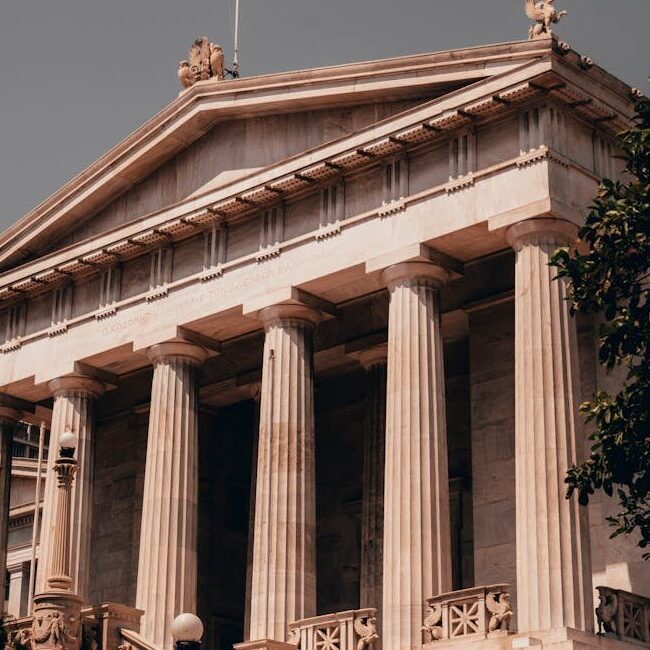
Government is not a nuisance to be despised; it is the vessel through which we safeguard the vulnerable and uphold the moral fabric of society. Bureaucracy, at its best, is the structure that allows equity to function. When we starve government, we starve democracy. When we privatize every public good, we trade citizenship for servitude. The task ahead is not to destroy government but to make it work — with creativity, transparency, and moral purpose.

The Value of Democracy
Democracy is the immune system of civilization. It is imperfect, messy, and slow, but it gives every citizen a voice and every generation a chance to correct the course. Authoritarianism promises strength but breeds fragility. Only through participation — through voting, speaking, and holding power accountable — can liberty survive. Democracy is not simply the least bad system; it is the only one built to evolve with humanity.

Equitable Leadership
Leadership must rise from empathy and intelligence, not noise or dominance. True leaders listen to the silenced majority — those too tired, overworked, or disillusioned to speak. They use data, dialogue, and compassion to make decisions that lift everyone. Leadership rooted in equity transforms governance from self-interest to stewardship.

On Liberty and Responsibility
Freedom is not the absence of rules; it is the presence of balance. Liberty demands responsibility — to live, speak, and act in ways that preserve harmony for all. The founders understood that freedom without virtue decays into chaos. Every generation must renew that balance by asking not only what we are free to do, but what we are free for.

When Government Should Be Silent
There are places where government must step back and allow the individual to decide. Morality cannot be legislated in matters of personal conscience. To protect liberty, government must sometimes learn when to simply stay silent — to respect the autonomy of the citizen rather than impose the will of the state. That silence, guided by compassion, is a moral act.

America the Multicultural
America has never been one people, one faith, or one culture. It is a mosaic of stories — native, immigrant, enslaved, and free — interwoven into a single fabric of shared destiny. To deny that truth is to deny America itself. Diversity is not our weakness; it is the wellspring of our strength. The future belongs to a nation mature enough to see difference not as threat but as revelation.

On Race and Reconciliation
Race is not biology — it is a wound we have inherited and must heal with honesty. We cannot undo centuries of injustice, but we can build systems that no longer replicate them. Reconciliation begins with acknowledgment, compassion, and the discipline to create equity in law, education, and opportunity. Forgiveness without accountability is hollow; accountability without forgiveness is cruelty. We must find both.

Free Speech and Responsibility
Speech is the bloodstream of democracy, but it is not free from consequence. The right to speak carries the duty to speak truthfully and responsibly. In a republic, disagreement is sacred — but harm is not. To preserve liberty, we must defend every person’s right to be heard while rejecting the weaponization of speech as a tool of hatred and fear.
States’ Rights and Federal Unity
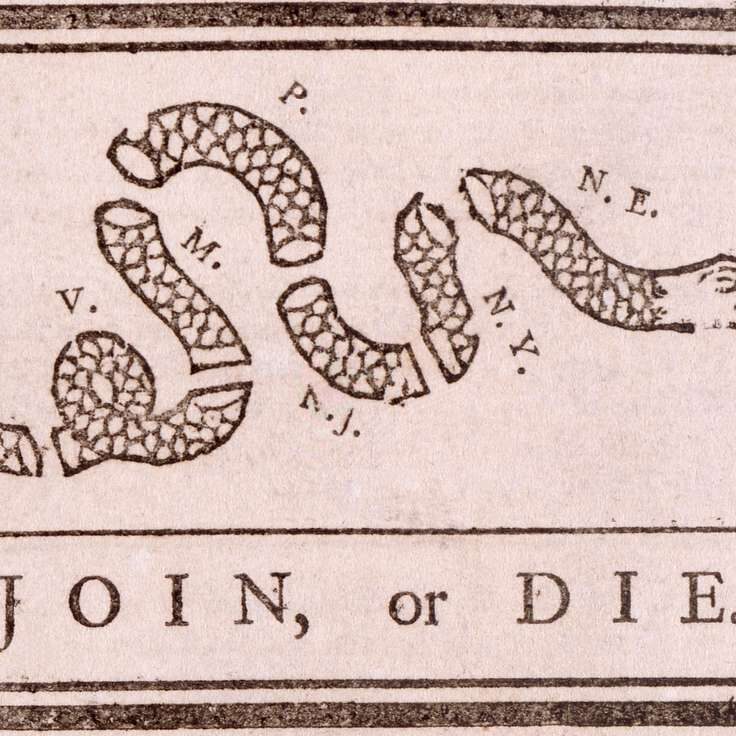
The balance between state autonomy and federal authority has always defined the American experiment. Local independence must not override national morality. The Union’s survival — and the civil rights of its citizens — depend on a federal government strong enough to defend liberty everywhere, not just where it is popular.

The Separation of Church and State
Faith may guide the conscience, but no single religion may rule the Republic. The founders built a nation where belief is free precisely because it is not enforced. A moral society does not need a theocracy; it needs justice. To keep America whole, church and state must remain forever separate yet equally free.

Science, Data, and the Final Frontier
To govern wisely, we must think empirically. Science is not the enemy of faith but the tool of progress. Data, evidence, and technology must guide policy — from healthcare to climate, from education to exploration. The future of humanity, both on Earth and beyond it, depends on our capacity to learn, adapt, and act with reason.

Transparency and Corruption
Power thrives in darkness. The solution is not to purge money from politics but to expose it — to make influence visible and accountable. Every citizen has a right to know who funds their leaders and what interests shape their decisions. Sunlight, not cynicism, is the cure for corruption.
The Dystopia Within Our Grasp
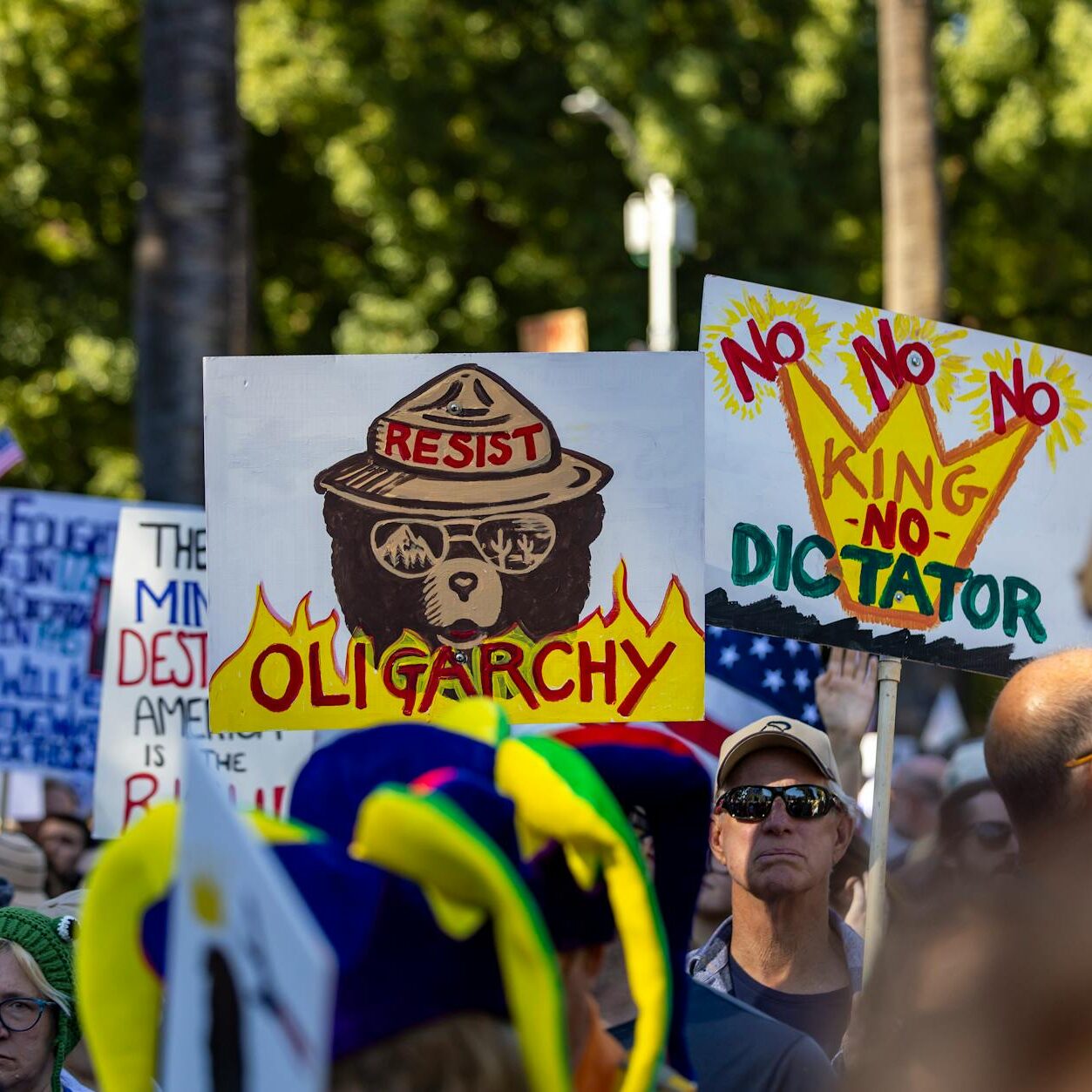
The greatest threat to America is not an external enemy but the rot of unprincipled power from within. Movements that glorify greed, exclusion, and false patriotism are locusts devouring the elm. The choice before us is stark: descend into authoritarian decay or rise, united by equity and morality, to build a republic worthy of its founding promise.

Pathways to Progress
Ideas mean nothing without implementation. To restore the Republic, principle must become policy. Liberty, equity, and morality are not slogans — they are instruments of design. Progress begins when leaders stop governing by fear and start governing by evidence. Our challenge is to modernize the systems that sustain us — to ensure that prosperity, education, and justice are built on fairness, not favoritism. This plan is not partisan. It is pragmatic idealism in motion: a framework for rebuilding the promise of America from the ground up.